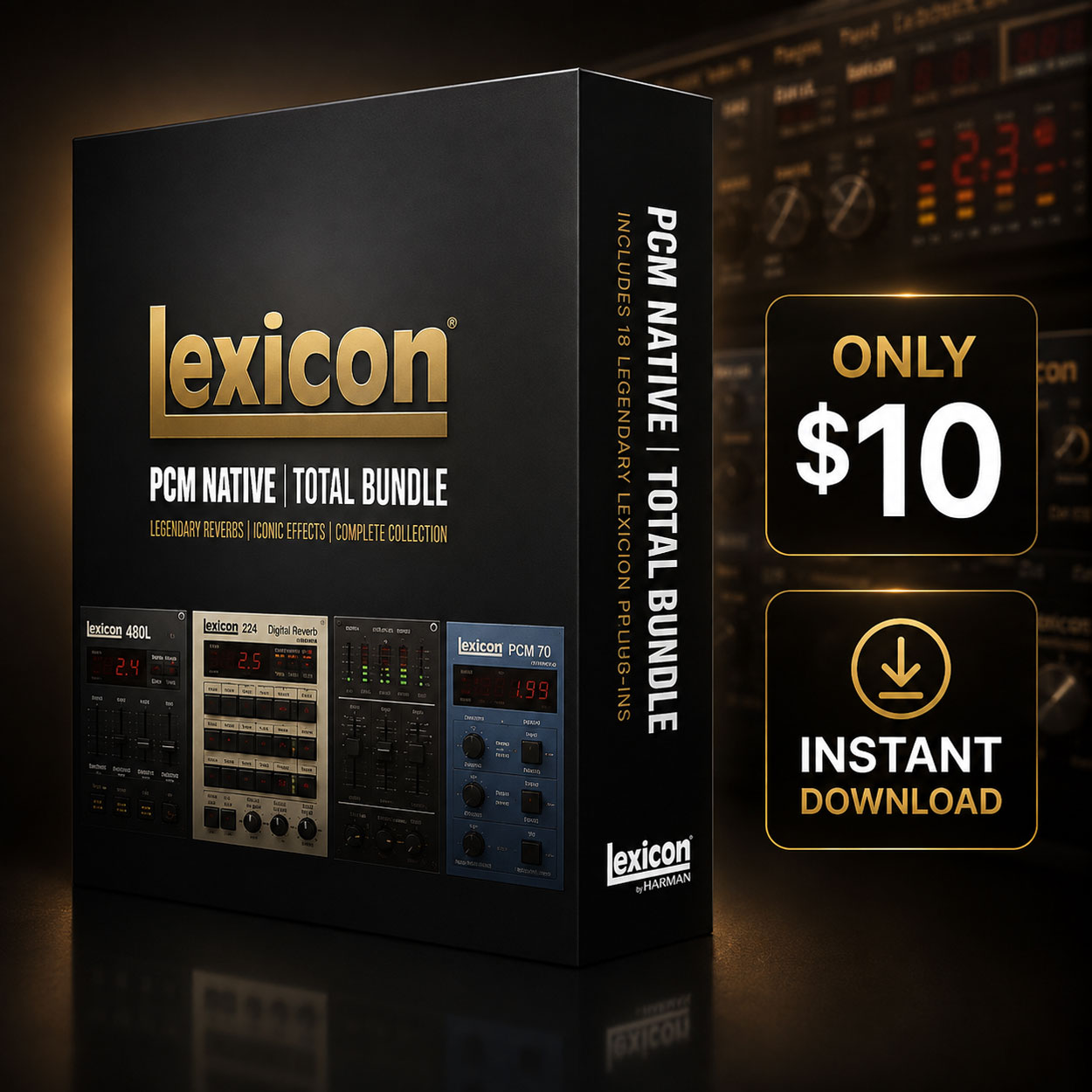
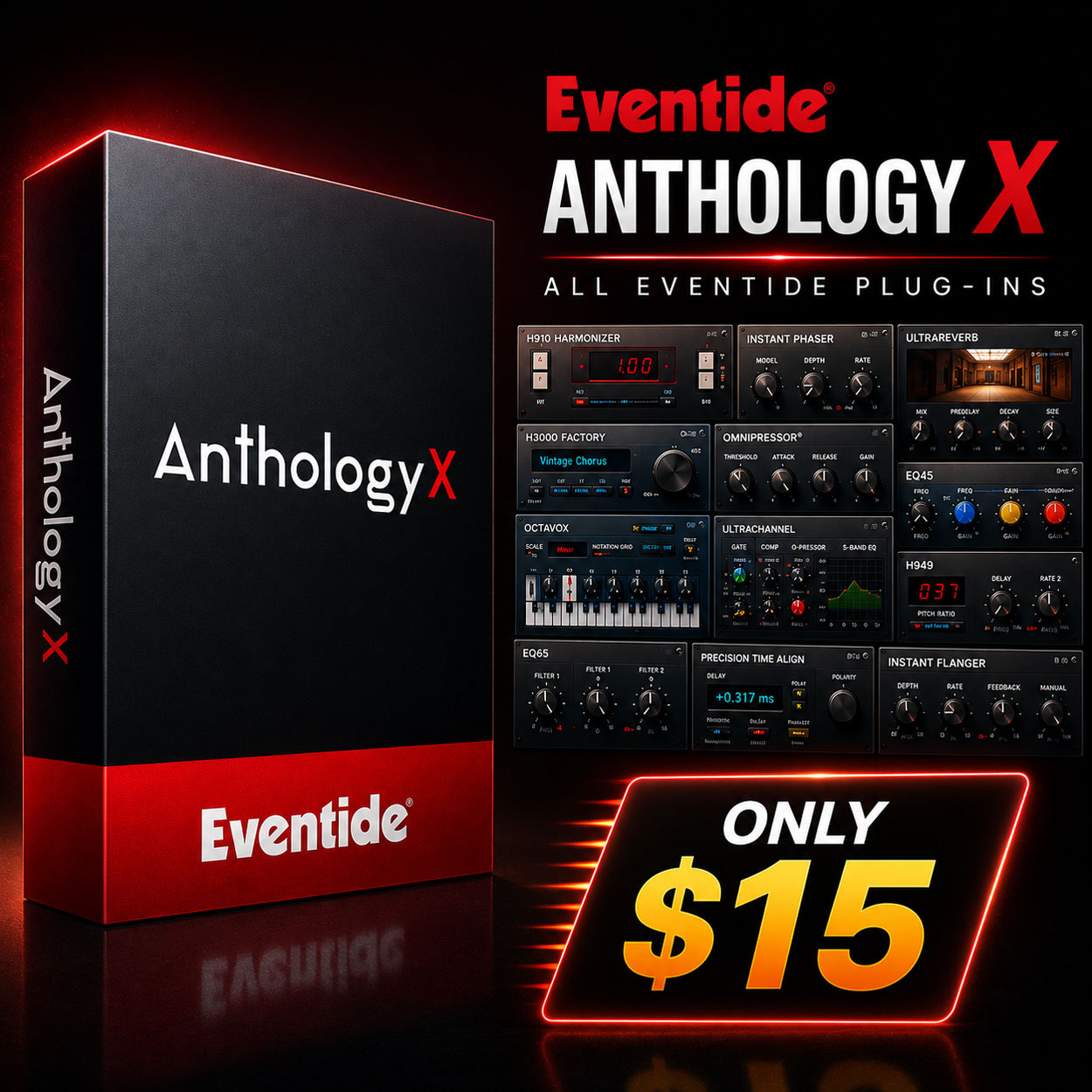
Another reverb I don’t need but it sounds really good and it arrived quick and install was a breeze. I do have to copy the download links sent by email then paste them onto my browser but maybe that’s just my pc. Five star service.

Wave Alchemy Pulse
About Pulse In 1984 an entry level digital reverb was released that would go on to have a profound impact on modern music. Finding a home in nearly every high-end studio over the past 30 years, the original PCM-60 bec…
FormatVST3
PlatformPC Windows x64
Size1 CD
CategoryVST Plug-ins
Audio previews
01_Pulse_Female_Vocal_1.mp3
02_Pulse_Female_Vocal_2.mp3
03_Pulse_Digital_Aahs.mp3
04_Pulse_Lofi_Guitar.mp3
05_Pulse_Lofi_Pads.mp3
06_Pulse_Atmospheric_Guitar.mp3
Full product description
About Pulse
In 1984 an entry level digital reverb was released that would go on to have a profound impact on modern music. Finding a home in nearly every high-end studio over the past 30 years, the original PCM-60 became synonymous with tight and punchy 80s reverb.
We’ve taken the soul and character of this iconic hardware reverb and brought it into the 21st century with advanced DSP and modern workflow enhancements.
Introducing Pulse – A modern take on the classic PCM sound. Available now as an AU, VST3 and AAX plugin for macOS and Windows.
Explore Pulse
Whether you want to recreate every nuance of the original hardware or take this iconic sound to new and unchartered territory, Pulse allows you to easily with it’s clear and concise interface.
Iconic PCM Reverb
PCM refers to Pulse Code Modulation, the technology introduced in the early 80s that would go on to become the primary method for processing digital audio. Over the years this technology would improve considerably, but in 1984 it was considered now what we would label Lo-fi, Grainy or Unrealistic. This was in stark contrast to the Plates and Springs of the 1960s which sounded Organic, Natural and Clean.
However, fast forward nearly 40 years and it is exactly these characteristics that make this reverb so desirable again today. Its sound is characterful, punchy and unmistakable.
The original unit was limited in features and was often used as a send on a mixing console where EQ, Compression and other studio processing could be used to enhance it further. With Pulse, we’ve not only implemented custom DSP and tone shaping controls to bring this classic into the modern era, but we’ve done so in a way that makes it effortless and easy to dial in – whether you’re a producer looking for professional results quickly, or a songwriter just getting started in engineering your own vocals…
Shape
The initial portion of a sound is often the loudest, this is called the transient. loud transients can cause Reverb to sound thin or weak because the sustain portion, or tail, of the sound is much quieter.
Pulse’s Shape parameter solves this problem by intelligently lowering the transient volume to make the Reverb signal lusher, thicker and darker in tone, all without changing the original dry signal or needing unnecessary sends with additional processors like traditional reverbs.
Modulate
Our custom tuned Flux control was developed on our years of experience using hardware reverbs. One of the most important elements that all great reverbs have in common is the sense of space and movement they create.
Flux creates this same behaviour and sonic depth through clever level-dependant filtering and creative under-the-hood modulation. Used subtly it can add a gentle sense of 3D movement and depth. At extreme levels you can explore totally new worlds of lush chorus-like modulation and lo-fi textures.
Stunning Emulation
Modern reverbs often use one of two technologies for the way the sound is generated. Either through writing DSP code which emulates the sound, known as an Algorithmic reverb, or by capturing a model of the sound in a method known as Convolution Reverb.
Algorithmic Reverbs have the advantage of being more natural sounding while Convolution Reverbs tend to be more accurate. When we set out to make the most accurate emulation of classic reverb units we chose a hybrid method that combines complex DSP of Algorithmic reverbs with the accurate modelling of Convolution.
Precise Sound
One of the drawbacks of Impulse Responses is that they are only as good as the way they are recorded. Drawing on our decades of expertise in sampling, we acquired a pristine condition PCM-60 and sampled every possible reverb variation using mastering grade converters. We then went a step further and enhanced the dynamic range to create a noiseless and extended version beyond what was possible with the original unit.
Our Shape and Duck controls make complex dynamics processing possible with a single control. Effortlessly place reverb in your mix without complex routing or additional processing. Not only does this allow for a more modern and professional sound but it gives you the flexibility of using Pulse directly on your track as an insert.
Audio previews
01_Pulse_Female_Vocal_1.mp3
02_Pulse_Female_Vocal_2.mp3
03_Pulse_Digital_Aahs.mp3
04_Pulse_Lofi_Guitar.mp3
05_Pulse_Lofi_Pads.mp3
06_Pulse_Atmospheric_Guitar.mp3
07_Pulse_Male_Vocal.mp3
08_Pulse_Sax_Riff.mp3
09_Pulse_Funk_Drums.mp3
10_Pulse_String_Arrangement.mp3
11_Pulse_EP_Chords.mp3
12_Pulse_Horn_Riff.mp3
13_Pulse_Digital_Keys.mp3
14_Pulse_Synth_Jam.mp3
15_Pulse_FM_Bass.mp3
16_Pulse_Acoustic_Guitar.mp3
Reviews
★★★★★5.01 review
Write a Review
Similar Products